
10 Early Signs Your Body Is Warning You About Health Problems
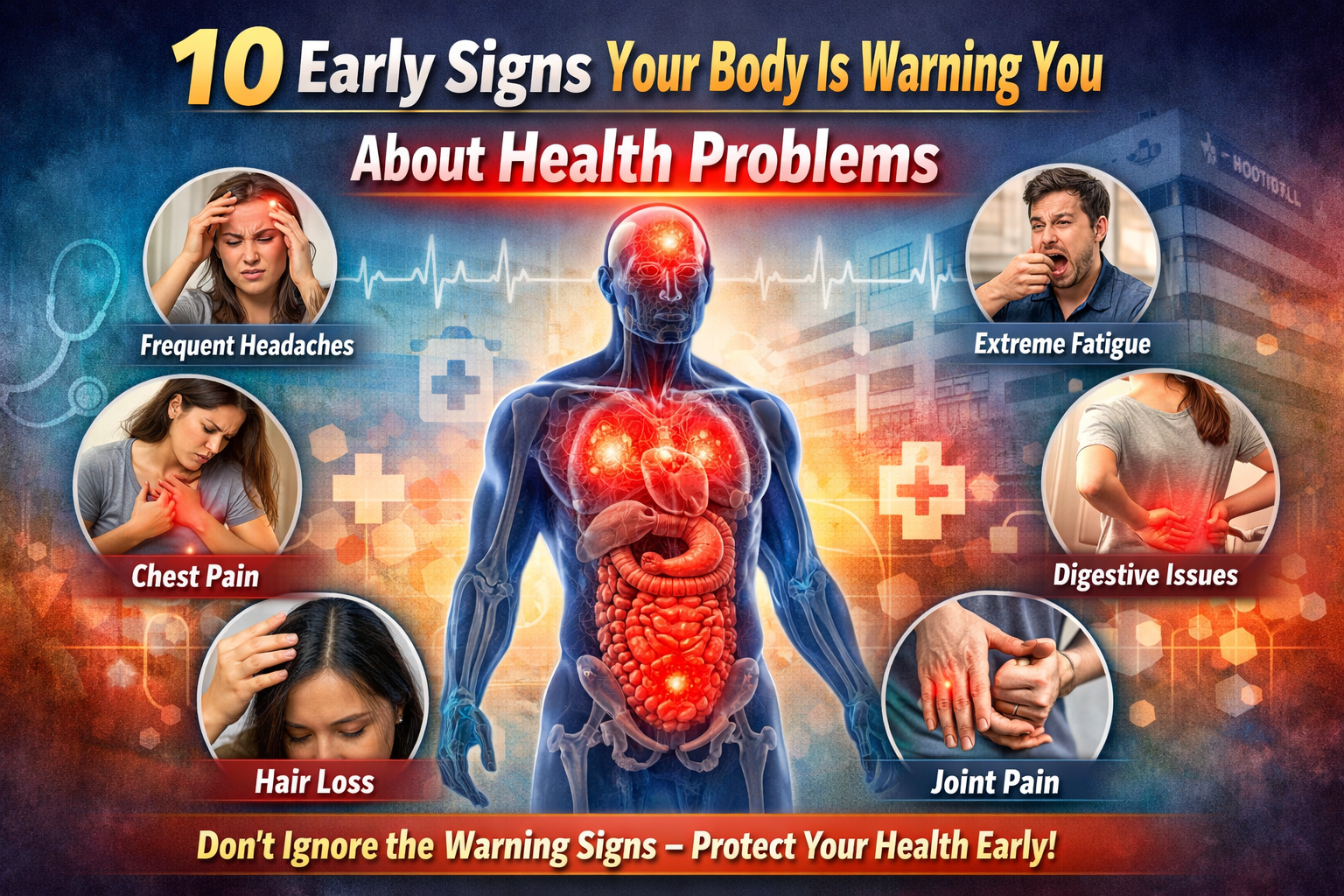
Many serious health conditions do not appear suddenly. In most cases, the body begins sending early warning signals long before a disease becomes severe. Unfortunately, people often ignore these signs until symptoms become serious.
At Belle Vue Multispecialty Hospital, doctors emphasize that recognizing early symptoms and seeking timely medical advice can significantly reduce health risks and improve treatment outcomes.
Understanding these signals can help individuals take preventive action before conditions worsen.
1. Constant Fatigue Without a Clear Cause
Feeling tired occasionally is normal. However, persistent fatigue that does not improve with rest may indicate underlying health issues such as:
- Anemia
- Thyroid disorders
- Heart conditions
- Nutritional deficiencies
If fatigue continues for several weeks, it is advisable to consult a doctor and consider a preventive health checkup.
You can also read our guide on prioritizing preventive healthcare here:
➡ Value Health More Than Sickness (internal blog link)
2. Frequent Headaches
Occasional headaches are common, but frequent or severe headaches could signal:
- High blood pressure
- Migraine disorders
- Stress and lifestyle imbalance
- Neurological conditions
Ignoring recurring headaches can delay proper diagnosis.
3. Sudden Weight Loss or Weight Gain
Unexplained weight changes may indicate:
- Hormonal imbalances
- Thyroid disorders
- Diabetes
- Digestive disorders
Sudden weight loss without lifestyle changes should always be medically evaluated.
4. Persistent Digestive Problems
Long-term digestive symptoms should never be ignored. Warning signs include:
- Frequent bloating
- Chronic acidity
- Irregular bowel movements
- Loss of appetite
Digestive problems may be linked to gut disorders, liver conditions, or metabolic diseases.
Maintaining regular physical activity can also support digestive health.
➡ Read more: Why Moving More Is Essential for Your Health
5. Shortness of Breath
Difficulty breathing during mild physical activity may indicate:
- Heart disease
- Lung conditions
- Low oxygen levels
- Anxiety disorders
Early diagnosis can prevent complications.
6. Frequent Infections
If you often experience infections such as colds, coughs, or flu, your immune system may be weakened.
Possible causes include:
- Nutritional deficiencies
- Chronic stress
- Poor sleep
- Underlying medical conditions
Strengthening immunity through lifestyle improvements and regular medical care is essential.
7. Persistent Pain in Muscles or Joints
Chronic pain should not be dismissed as normal aging.
It may indicate:
- Arthritis
- Inflammation
- Vitamin deficiencies
- Musculoskeletal disorders
Early evaluation helps prevent long-term joint damage.
8. Skin Changes
Your skin often reflects internal health.
Watch for:
- Unusual rashes
- Changes in moles
- Persistent itching
- Sudden discoloration
These symptoms may signal allergic reactions, infections, or metabolic conditions.
9. Irregular Heartbeat or Chest Discomfort
Chest pain, tightness, or irregular heartbeat should never be ignored.
These symptoms may indicate:
- Heart disease
- Circulation problems
- High blood pressure
Immediate medical attention is recommended if symptoms occur suddenly or severely.
10. Sleep Problems
Poor sleep quality or insomnia can affect overall health.
Common causes include:
- Stress and anxiety
- Hormonal imbalance
- Respiratory conditions
- Lifestyle habits
Long-term sleep problems can increase the risk of heart disease, diabetes, and mental health disorders.
When Should You See a Doctor?
If symptoms persist for more than two weeks, worsen over time, or affect daily life, it is important to consult a healthcare professional.
Early diagnosis often leads to simpler treatment and better outcomes.
Healthcare professionals at Belle Vue Multispeciality Hospital encourage patients to prioritize early medical evaluation rather than waiting for symptoms to become severe.
Preventive Healthcare Is the Key
Recognizing early warning signs is only the first step. The most effective approach is maintaining regular preventive healthcare practices, including:
- Routine health screenings
- Balanced nutrition
- Regular physical activity
- Stress management
- Timely medical consultation
Preventive care helps detect health issues before they become serious medical conditions.
Conclusion
Your body constantly communicates with you through symptoms and changes. Paying attention to early warning signs can prevent many serious diseases and improve overall well-being.
If you experience persistent symptoms or unexplained health changes, seeking medical advice promptly can protect your long-term health.
FAQs
What are early warning signs of health problems?
Common signs include fatigue, unexplained weight changes, frequent infections, digestive issues, and persistent pain.
Should mild symptoms be ignored?
Even mild symptoms that persist over time may indicate underlying health conditions and should be medically evaluated.
How can preventive healthcare help?
Preventive healthcare allows doctors to detect diseases early and recommend treatments or lifestyle changes before complications develop.